Getting the full picture:
Tackling the wider issues of violence against women and girls


Last year*, there were 54,987 domestic abuse-related prosecutions in England and Wales with a 75% conviction rate of prosecutions brought. In most of these cases, the victim was female.
But that is only part of the picture.
While successfully prosecuting perpetrators of domestic abuse is a key element of addressing violence against women and girls (VAWG), there are many other issues that can play a part in – or arise from – this type of offending.
These range from how reports of domestic abuse are handled by police to the role of the media in shaping public perception and the effect on women's choices more widely that incidents of violence can have.
Dr Zahra Siddique (School of Economics) and Professor Aisha K Gill (School for Policy Studies) are two Bristol academics whose research is helping to shed light on and challenge these issues.
* Last reporting year (year ending March 2025). Data from Office for National Statistics.
Role of media to represent and challenge


Patterns of crime
Research indicates that while print and TV media in the UK have accorded increasing attention to crime over the past four decades, it has also shifted to focus on individual criminal incidents and their victims rather than on the general patterns of crime or their potential causal factors.
Mirroring the press coverage of crime in general, the reporting on violence against women and girls has also increased since the 1980s.
Type of coverage
As well as tending to be case-specific, this reporting is mixed in terms of the amount of coverage each case receives, which many argue is influenced by factors such as ethnicity and age.
The media also tends to represent specific crimes, and the groups whom they affect, differently depending on the crime. For example, ‘honour’ crimes, forced marriage, and FGM/C are treated as crime ‘trends’, even though other crimes (such as the murder of domestic partners) are often discussed in disaggregated form as isolated incidents.
Prof Aisha K Gill says: “This type of reporting can shape the public’s perceptions of certain crimes but also fails to address the fact that little has changed in terms of shifting the dial in the prevention of fatal male violence against women and the provision of support and protection for victims-survivors.
“The media has an important role to play to ensure that its reporting of violence against women is equitable, in the name of all women, but also that it asks the difficult questions and sounds the alarm to force the improvement of a broken criminal system that is so desperately and urgently needed.”
Impact on female workforce participation


In India, research shows that assault incidents – especially some horrific high-profile cases in the country in recent years – have negatively affected female labour participation.
Dr Zarah Siddique says: “Women increasingly choose to stay at home due to the perceived increased risk to their personal safety in public spaces or in the workplace. This occurs even in localities where the likelihood of sexual assault is unchanged.”
The 'fear effect'
“This ‘fear effect’ is especially pronounced amongst younger women and can influence female education choices too. One study shows that, compared to men, more Indian women opt to attend colleges and universities offering lower-quality education outcomes on the basis that there are safer routes to travel to and from those institutions.”
These understandable decisions to place safety above opportunity can lead to a number of long-term ill effects, including women gaining lower-quality education and a lower-paying job or no job at all. This can also impact the economy as a whole through reduced productivity and slower growth.
Tackling the issue
But Dr Siddique says there are some potential interventions that could make a difference. These might include safer transport options, such as the socially-acceptable women-only transport options that have been successfully trialled in Pakistan, or visible police patrols like those in India, specifically targeting sexual harassment in public spaces, that have reduced such crime in parts of the country.
Dr Siddique concludes: “There is growing evidence on how to tackle the dangers to women. The time to act is now.”
"These understandable decisions [by women] to place safety above opportunity can lead to a number of long-term ill effects."

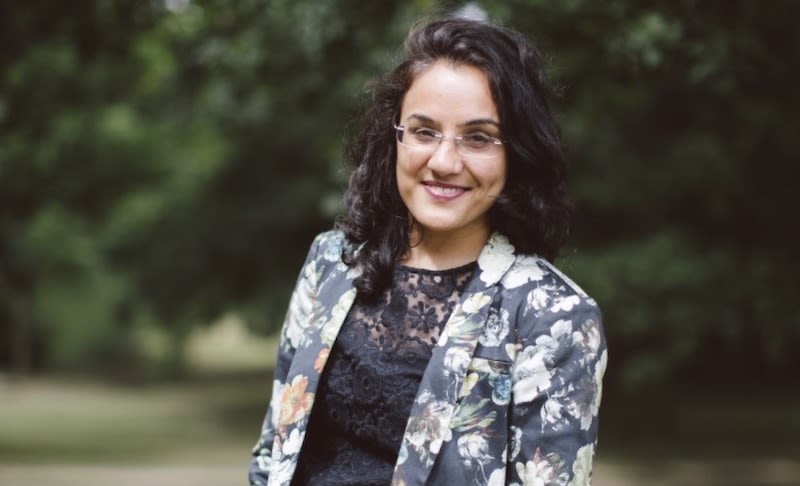
Aisha's research
Professor Gill's research areas include improving police responses to violence against women and girls in racially minoritized communities, protection and prevention responses to forced marriage, and understanding family abuse.
Articles include gender-based corruption in the context of migration; coercion, consent and forced marriage; understanding family abuse and sexual violence.

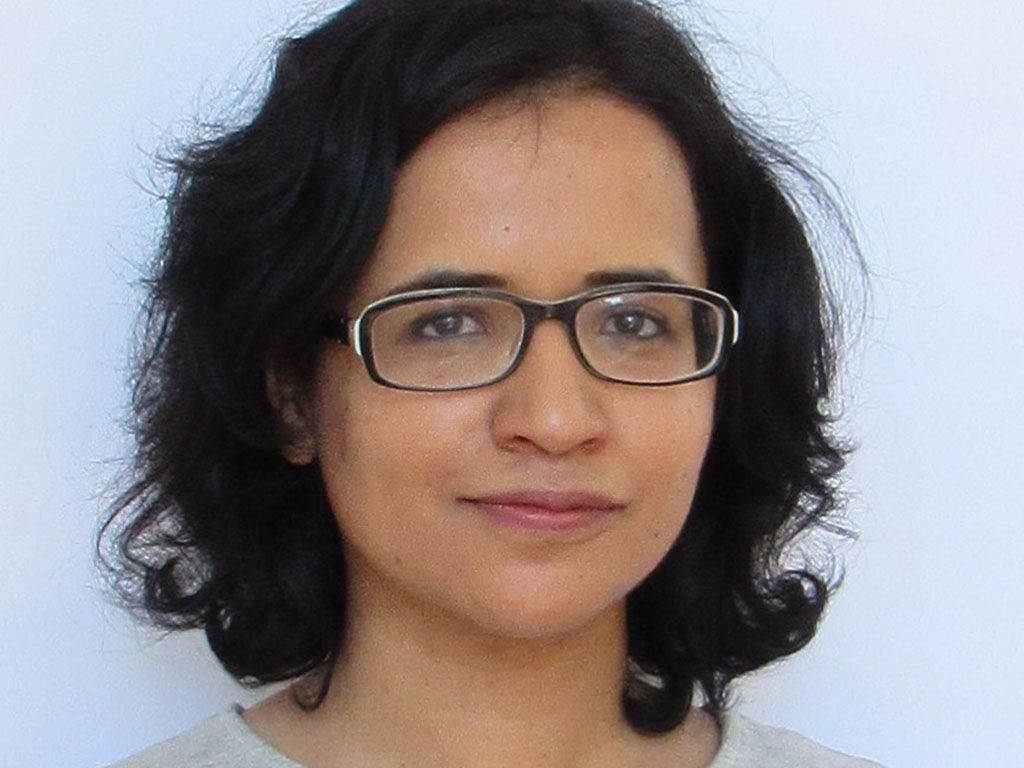
Zahra's research
Dr Siddique is an Applied Microeconomist with research interests across three main areas: the economic causes and consequences of gender based violence; gender and the labour market; and identification of treatment effects using data generated from social experiments.
Articles include media-reported violence and female labour supply and the effect of safety concerns on women's opportunities in developing countries.


GBV research centre
The aim of the centre is to conduct high-quality national and international research, enabling theoretically informed policy and practice to combat gender-based violence (GBV). Cantre members research on a range of issues, including domestic, sexual, ‘honour’ based and reproductive violence, abuse and harm.
 Built with Shorthand